LANCING · PACKAGING MACHINERY & AUTOMATION
Lancing · Conveying and handling

Packaging conveyor lines with clear transfers between stages

Discuss packaging conveyor lines with Lancing. Map transfers, working heights and accumulation needs around the product and equipment in your production.

LANCING / conveyorlines.co.uk
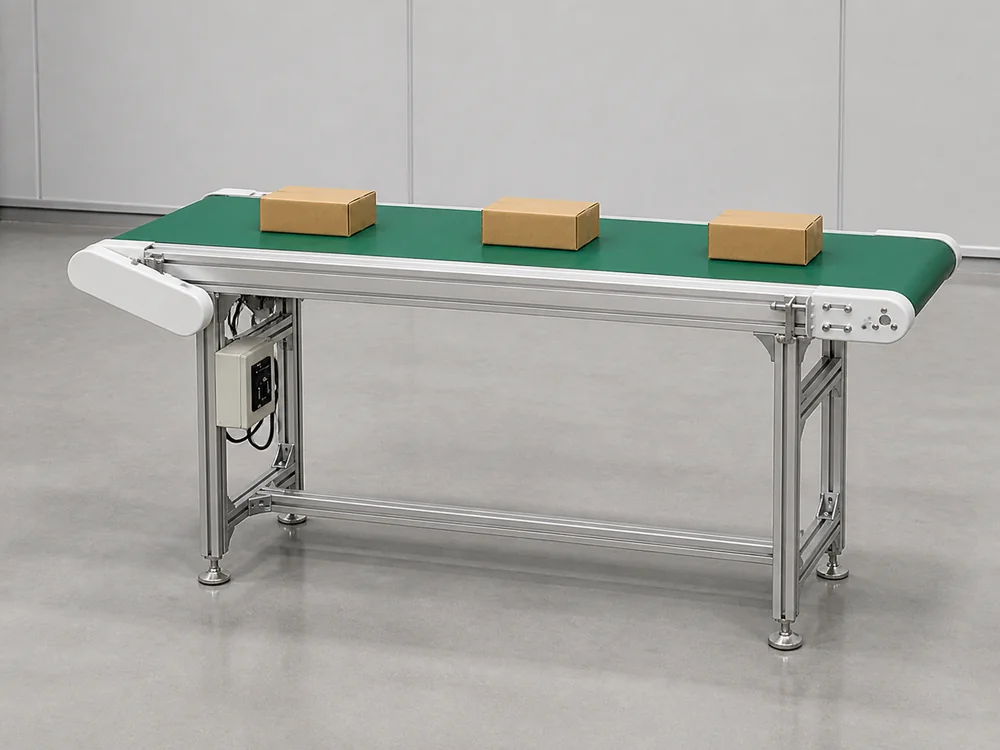
Representative Lancing conveyors production imageryApplication focus / Conveyors
Built around
your production.
Product. Pack. Output.
Start with your application.

Representative Lancing production imagery. Final machinery and configuration depend on your application.

01Measured layout and route
02Transfer and working heights
03Product sizes and condition
Conveyors and handling

A clearer route to the right equipment.

A conveyor line needs to move the actual product between real working positions. Its route, handovers and stopping conditions matter alongside length and speed. Lancing publishes belt, slatted, curved, infeed and incline conveyor equipment within its handling range. Begin with a measured layout and the product condition at each stage. That makes it possible to discuss a connected route with clear responsibilities for transfers, controls and the interfaces to existing machinery.

Explore the relevant Lancing catalogue
Application planning

packaging conveyor lines: where to start.

Explore the production situations that shape the specification. These examples describe requirements to discuss, rather than confirmed machine configurations.

Connecting two production stages

Identify the supplying and receiving equipment with their working heights. Show the product condition and orientation at the handover so the conveyor enquiry can address a specific transfer rather than an approximate gap.

A route around existing equipment

Provide a measured layout with direction changes, access and retained machinery. Explain the products that use the route so the available conveyor types can be discussed against the actual footprint and handling requirement.

Managing a planned waiting point

If products must wait between operations, describe the interruption and acceptable waiting condition. Ask for the storage and release sequence to be reviewed alongside the conveyor route and connected equipment controls.

Read the packaging conveyor lines application guide
Compare the approach

Start with the way you work.

Use these routes to frame the discussion. Lancing will confirm the proposed machine, handling method and scope against your product and packaging.

OPTION / 01

A direct machine connection

Review a short transfer between two defined stages. Ask how the product will be supported across the handover and how the machines' operating sequences need to relate.

Consider whenA specific gap between existing production tasks.

OPTION / 02

A routed conveying section

Where the path bends or changes height, provide the available footprint and access constraints. Lancing's handling range provides several conveyor types to discuss against the route.

Consider whenLayouts where space and direction influence equipment selection.

OPTION / 03

A line with controlled waiting

If a conveyor must also hold products, define the purpose of that buffer. Ask Lancing to assess product behaviour and the release sequence within the overall line brief.

Consider whenProduction with interruptions that need planned product handling.

Specify what matters

Small details.
Better decisions.

Start with the constraints that affect your application. Our selection guide helps you organise a useful machinery brief.

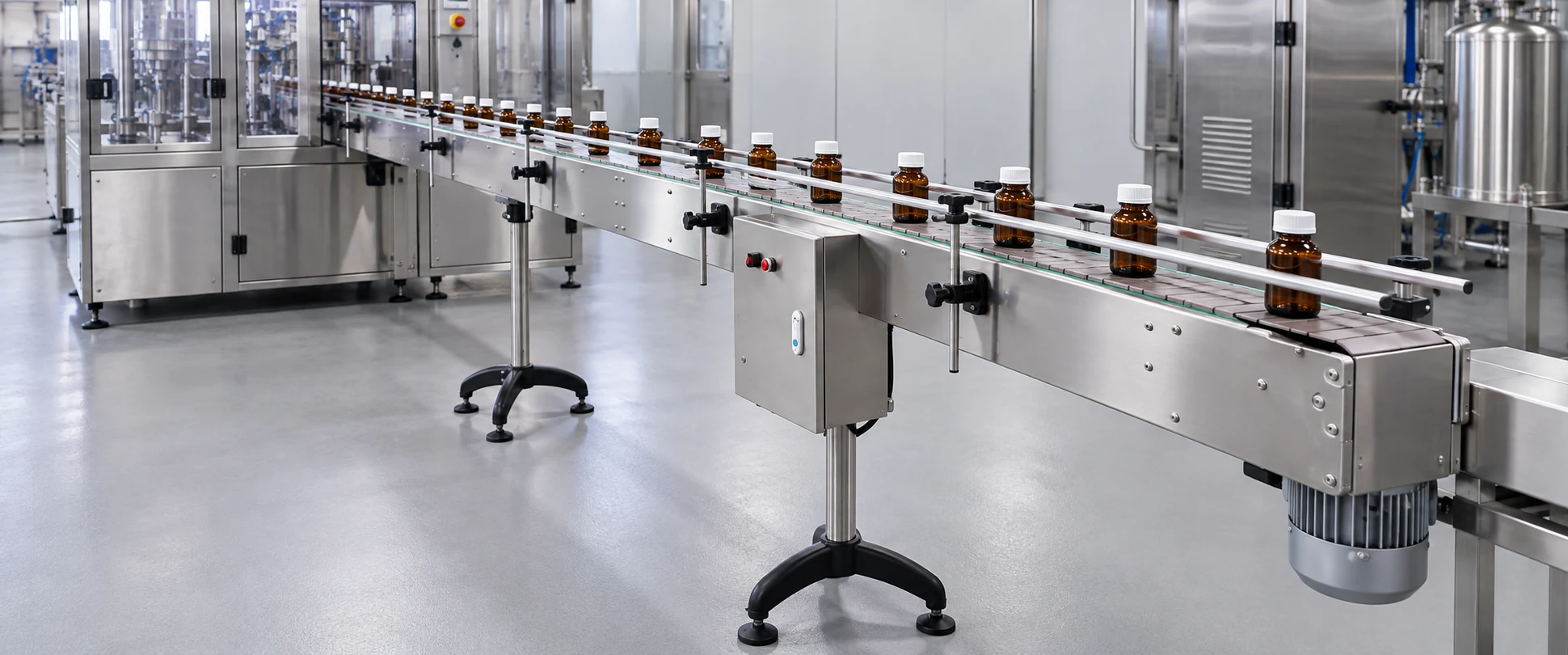
Representative Lancing equipment in a production settingRead the selection guide
  1. 01

    Map every handover

    Mark where the product enters and leaves the proposed conveyor.

  2. 02

    Describe waiting and stopping

    Explain what should happen when either neighbouring process pauses.

  3. 03

    Define the handling condition

    Identify whether containers are empty, filled, open or closed.

The application process

Define it. Review it.
Agree the scope.

A practical starting point for your enquiry, with the actual specification confirmed before an equipment decision.

STEP / 01

Draw the production route

Provide a measured sketch with machines, access routes and transfer heights. Label the product condition and orientation at each point in the sequence.

STEP / 02

Review products and interfaces

Share representative packs and expected output. Discuss stability, support and stopping conditions with Lancing before narrowing the conveyor arrangement.

STEP / 03

Confirm the integrated scope

Ask for the layout, included conveyors and interface responsibilities to be stated. Make controls and commissioning scope clear within the proposed project.

Before you enquire

Your questions,
considered.

Practical answers to help you prepare a more useful discussion.

What measurements are most useful?

Provide the route length, working heights, available width and machine positions. Include product dimensions and weight, plus the space needed for access and surrounding operations.

Can existing equipment be connected?

Share the machinery details and proposed handovers. Lancing needs to assess heights, transfers, controls and product handling before confirming a suitable arrangement for the retained equipment.

Does faster conveying improve line output?

Only if it suits the complete process. Define the output and spacing needed by neighbouring machines, then assess the conveyor as part of that working sequence.

How should we describe accumulation?

Explain the interruption it should cover, how products may wait and how they should restart. Ask for product stability and the control sequence to be reviewed rather than specifying only a conveyor length.

From requirement to recommendation

Let’s define the right next step.

Tell Lancing what you need to handle, pack or produce. Start with the details you know; use the application brief to organise the rest.